
As economic challenges mount, investors are increasingly relying on Bitcoin price increases to manage market risks. Understanding Bitcoin forecasts becomes essential in navigating the crypto landscape, where price fluctuations can significantly impact investment strategies.
Evaluating Current Bitcoin Price Increase Dynamics
The Bitcoin market has shown significant volatility in recent months. Recent data indicates that Bitcoin surged above $90,000, reflecting a robust return to previous highs but also raising caution among traders about potential downturns, as noted in the latest trading analysis.
Market sentiment plays a crucial role in Bitcoin price fluctuations. Optimistic investor sentiments can lead to accelerated price spikes, while pessimism can trigger rapid sell-offs. According to recent reports, traders are cautious about downside risk exposure, as evidenced by flat demand for leveraged BTC bullish positions despite recent rebounds in Bitcoin’s price. This underscores how influential market sentiment is in dictating not just short-term prices but potentially setting the stage for broader market trends.
Moreover, Bitcoin’s performance has increasingly been correlated with traditional financial markets. The interplay between tech stocks and Bitcoin illustrates how changes in one can affect the other. As Bitcoin becomes more mainstream, these dynamics are likely to evolve further, as seen in the shifting investor behaviors over recent months.
Understanding Economic Influences on the Crypto Market
Economic factors significantly shape the crypto market and Bitcoin prices. Key influences include global economic stability, regulatory considerations, and inflation rates that affect investor sentiment. For instance, rising inflation may push investors toward assets perceived as stores of value, like Bitcoin. Analysts argue that inflation prompts market participants to seek alternatives to traditional fiat currencies, driving demand for cryptocurrencies.
Global economic conditions, such as geopolitical tensions or recession alerts, also have profound impacts. Investors often react to these conditions by adjusting their portfolios, seeking more risk-averse options during uncertain times. As inflation arises, market analysts forecast a potential dual perspective where Bitcoin can be both a risky asset and a hedge against inflation.
Identifying Risks in Today’s Bear Market
Navigating a bear market can be particularly daunting for crypto investors. A bear market is defined as a prolonged period of declining prices, leading to investor pessimism and hesitance. In these times, Bitcoin forecasts serve as critical tools for identifying possible recovery points and managing risk.
Historical trends reveal that Bitcoin has shown resilience, bouncing back after previous downturns. During past bear markets, specific strategies like dollar-cost averaging and holding through volatility have proven effective for many investors. For instance, during the notorious 2018 bear market, strategic investors who adhered to forecasts and market analysis often found themselves poised for significant gains as recovery phases began.
Moreover, having a grasp on past performance can guide expectations for future behavior. This historical insight encourages a proactive approach to investment during downturns, allowing investors to capitalize on lower prices in anticipation of future appreciation.
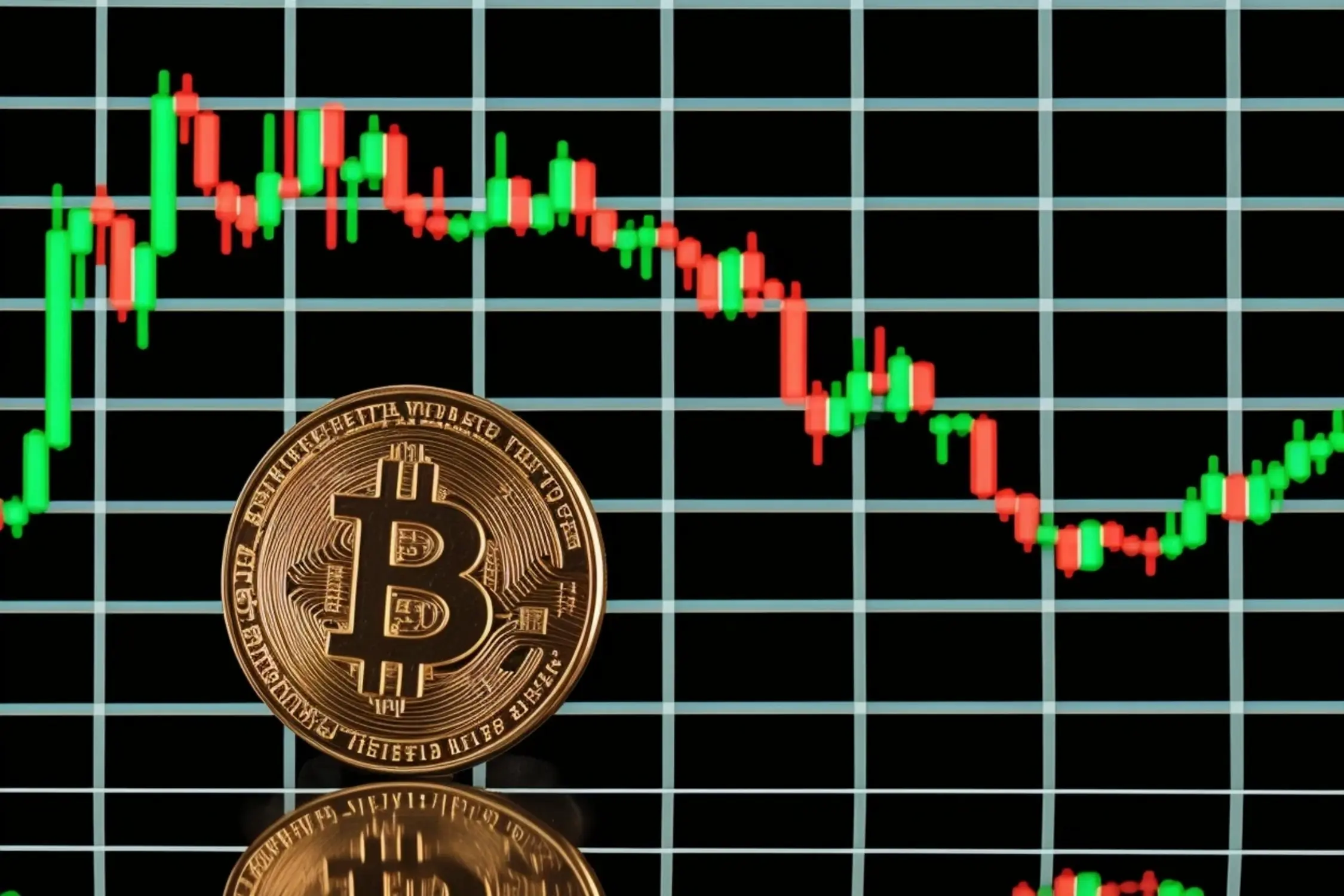
Bullish and Bearish Sentiments Among Investors
Investor sentiment plays a pivotal role in Bitcoin price dynamics. Recent surveys indicate that confidence levels are currently mixed; while many express bullish sentiments as Bitcoin recovers, others remain cautious. Reports show that despite Bitcoin reaching significant highs, underlying fears about suboptimal market conditions persist.
Sentiment analysis provides a window into these investor attitudes. It gauges the confidence level across the market, helping investors to adapt their strategies based on whether the market leans bullish or bearish. Understanding these dynamics can enhance investment decision-making andrisk management strategies, particularly in a rapidly changing landscape.
Implementing Strategies Based on Market Forecasts
Employing informed strategies based on Bitcoin forecasts is essential for success in today’s market. Investors can undertake actionable steps such as leveraging technical analysis tools, financial news, and market reports to stay ahead. Utilizing resources that offer inclusive Bitcoin price projections ensures that investors can make informed decisions regarding their investments.
Moreover, diversification continues to be a wise strategy. Spreading investments across various assets—be it Bitcoin or traditional stocks—can mitigate risks. Investors should consider maintaining a balanced portfolio that captures upside potential while reducing exposure during downturns.
Future Considerations in Bitcoin Investing
Looking ahead, potential future trends suggest that Bitcoin could see even greater volatility as emerging technologies and regulations shape the market. The evolution of financial technology may lead to new trading platforms and tools, facilitating broader access to cryptocurrency investments.
Regulatory changes will undeniably impact Bitcoin’s trajectory. How governments regulate digital currencies affects investor confidence and market stability. Investors should monitor these developments closely for insights into long-term ROI opportunities. Experts predict that Bitcoin’s role as an asset will not only be defined by its price but also by its acceptance in future economic frameworks.
In summary, while Bitcoin’s future remains uncertain, it positions itself as a potentially significant investment for those willing to analyze market forecasts and adapt to changing economic realities.
About The Author