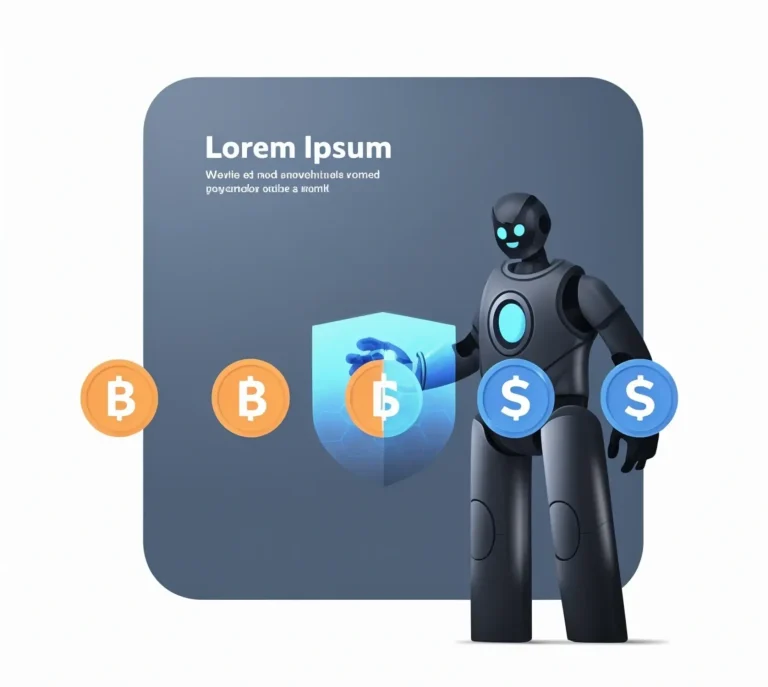
The rise of tokenization is set to revolutionize the crypto economy, offering enhanced security, efficiency, and transparency in transactions. As more businesses adopt tokenization, understanding its implications becomes crucial for investors and users alike, shaping the future of financial ecosystems.
Implications of Tokenization in the Financial Sector
Tokenization is transforming the financial sector by introducing a new layer of security for transactions. By converting sensitive data into unique identification symbols, businesses can protect themselves from fraud and cyber threats. This process decreases the chances of data breaches, as the tokenized data is worthless on its own without access to the original information. Additionally, tokenization offers fractional ownership of assets, allowing investors to buy and sell smaller portions of high-value assets. This accessibility enables more individuals to enter markets previously considered unattainable, such as real estate or fine art.
The impacts on market valuations and investor behavior are also significant as lower barriers to entry can attract a broader investment base. Recent analysis from CoinDesk suggests that as tokenized assets become mainstream, investor behavior is likely to shift towards more diverse portfolios, potentially leading to more stability in volatile markets.
How Tokenization Enhances Stability with Stablecoins
Stablecoins play a crucial role in bridging the gap between the crypto economy and traditional finance. They provide a stable asset that can mitigate the price fluctuations typically associated with cryptocurrencies. The tokenization of real-world assets into stablecoins can further stabilize market prices, reducing volatility during times of economic uncertainty.
Moreover, as the adoption of stablecoins grows, they foster greater trust among users and investors. This trust is vital for the wider acceptance of cryptocurrencies. Integrating stablecoins with tokenized assets allows for seamless transactions, thus enhancing liquidity and efficiency in trading. According to investment insights, such integration not only improves transaction speed but also ensures that users can engage more confidently in the crypto economy.
Current Developments Shaping the Crypto Economy
Innovative projects utilizing tokenization for value exchange are emerging at a rapid pace. From tokenizing real estate to art and commodities, market acceptance of tokenization technologies is gaining significant momentum. Major investors and businesses are starting to recognize the benefits of tokenization, leading to a shift in how value is perceived and transacted in the crypto economy.
Additionally, regulatory responses are evolving to accommodate this shift, alleviating concerns about the legitimacy and security of tokenized assets. This evolution may determine how widely tokenization is adopted across various sectors. Industry experts note that regulatory clarity can encourage widespread acceptance, making tokenization a well-established practice within financial systems.
Market Trends: The Rise of Tokenization Technologies
Key players in the crypto space are heavily investing in tokenization technologies. This investment indicates a significant shift toward more decentralized financial solutions that leverage the efficiency of tokenized transactions. As trends unfold, it appears that future market dynamics influenced by tokenization will redefine investment landscapes.
Among these trends, the rise of decentralized finance (DeFi) platforms showcases how tokenization can democratize access to financial products and services. This trend is contributing to a more inclusive financial ecosystem, providing services previously only available to traditional banks or wealth management entities. As more projects emerge, the potential for tokenization to drive transformative changes in the crypto economy becomes more evident.
The Role of Blockchain in Enabling Tokenization
Blockchain technology plays an essential role in ensuring transparency in tokenized transactions. Each transaction is recorded on a public ledger, making it virtually impossible to alter historical data without consensus. This transparency builds trust among users, a critical factor in the adoption of any new financial technology. Blockchain also enhances security, as tokenized assets can be easily and securely managed through smart contracts.
The synergy between blockchain and tokenization not only reshapes industries but also paves the way for innovative business models. By leveraging these technologies, companies can streamline their operations and offer new services that were not possible before. As noted in recent reports, this partnership will likely continue facilitating advancements across various sectors, encouraging investments focused on sustainability and growth.
Practical Steps to Get Involved with Tokenization
As interest in tokenization rises, understanding how to invest in tokenized assets becomes essential for both new and seasoned investors. Here are some steps to leverage tokenization in personal finance and investments:
– Educate Yourself: Familiarize yourself with what tokenization entails and its benefits.
– Choose the Right Platforms: Research platforms that support tokenized transactions and offer educational resources.
– Start Small: Consider beginning with smaller investments in tokenized assets to gain experience.
– Utilize Resources: Engage with available literature and online courses focusing on tokenization and the crypto economy.
By actively participating in tokenization, individuals can position themselves to take advantage of its potential benefits and contribute to the ongoing transformation of the financial landscape.
About The Author